How to Pair Drinks With Your Favorite Pizza Restaurant Meal
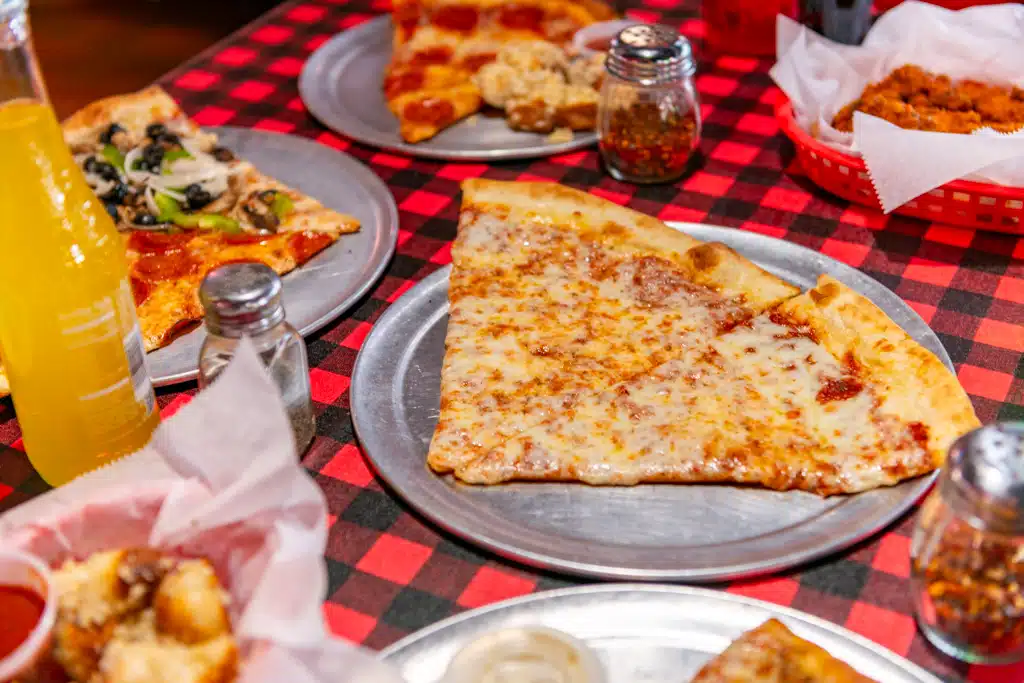

Pairing drinks with pizza sounds casual, and it is, but casual does not mean random. A great pairing can make a familiar meal feel sharper, brighter, and more complete. The right drink lifts acidity in the sauce, softens richness in the cheese, cools spice, or brings out the char on the crust. The wrong one can flatten everything into salt, fat, and bubbles.
Most people have had at least one surprisingly good match without https://edwinhgtm005.bearsfanteamshop.com/how-a-pizza-restaurant-crafts-the-perfect-crust planning it. A crisp lager with a pepperoni slice after a long day. A glass of Chianti next to a margherita with fresh basil. Even a cold sparkling water with lemon beside a heavy meat lover’s pie can feel exactly right. Those moments are not accidents. They follow a few simple principles that work whether you are dining in at a neighborhood pizza restaurant, ordering delivery, or splitting several pies with friends.
The useful thing about pizza is that it gives you clear pairing signals. You have crust, sauce, cheese, toppings, and often a side dish or dip in the mix. Once you learn which element is dominant, drink pairing gets much easier.
Start with the loudest flavor on the table
People often think they should pair a drink with the pizza as a whole. In practice, the best results come from identifying the strongest element in the meal. Sometimes that is the tomato sauce. Sometimes it is the melted cheese. Sometimes it is a salty cured meat, roasted vegetables, garlic, chili heat, or a sweet finish from caramelized onions or barbecue sauce.
A classic New York style cheese slice usually points first to tomato acidity and melted mozzarella richness. That suggests drinks with enough freshness to keep the palate awake. A light lager works because the carbonation scrubs the tongue and the mild malt does not overpower the slice. A medium-acid red wine works for similar reasons. It meets the tomato where it lives and keeps the cheese from feeling heavy.
Now compare that with a white pizza topped with ricotta, mozzarella, garlic, and mushrooms. There is no tomato to carry acidity, so the meal leans creamy, earthy, and rich. Here, a bright pilsner, a dry white wine, or even a wheat beer makes more sense than a deep, tannic red. You need lift, not weight.
This is the key judgment call people miss at a pizza restaurant. They order the same drink every time, even when the pie changes completely. That can work if you just want something familiar. If you want the food to show better, let the dominant flavor decide.
Why acidity and bubbles matter more than people think
Pizza is rich. Even a simple pie usually brings fat from cheese, oil, and often cured meats. Fat loves contrast. Drinks with acidity or carbonation cut through that richness and reset the palate between bites. This is why beer and pizza became such a reliable partnership. It is also why sparkling water, dry cider, and certain wines perform so well.
Tomato sauce adds another wrinkle. Tomatoes are naturally acidic, and acidic foods can make low-acid wines taste dull or flabby. That is why some soft, jammy reds feel strange with a red-sauce pizza. The wine can seem sweet and tired next to the sauce. A brighter red, something with noticeable freshness, usually lands better.
Carbonation is useful beyond beer. If you are skipping alcohol, sparkling water with citrus is not just the polite backup option. It can be one of the smartest pairings on the menu, especially with greasy slices, fried starters, or cheesy stuffed crust. I have seen diners chase increasingly heavy food with flat soda and then wonder why the meal starts to drag. Bubbles keep the meal moving.
Matching the drink to the crust style
Crust is not a side detail. It changes the whole balance of the meal.
A thin, crisp crust behaves differently from a thick pan pizza. Thin crust has less interior chew and often more direct contact between your palate and the toppings. Pairings can be more delicate here. A dry rosé, a pale ale without aggressive bitterness, or a light red can all work because they do not bury the texture.
A thicker crust, especially one with a buttery edge or pan-fried bottom, can handle fuller drinks. Amber lager, brown ale, or a rounder red wine can stand up to the breadier structure. Detroit-style pizza is a good example. The caramelized cheese edges and airy crumb create richness and crunch at the same time. A drink with crispness is still helpful, but it can also carry a little more malt or fruit.
Neapolitan pizza deserves its own mention because it often gets paired poorly. The crust is tender and blistered, the toppings are usually restrained, and the sauce tends to taste fresh rather than cooked down. Heavy beers and oaky wines can steamroll that style. A clean pilsner, a bright Italian white, or a restrained red with lively acidity usually respects the pie more.
Deep-dish is another category entirely. It is almost closer to a baked casserole than a standard slice. Cheese, sauce, and crust come in thick layers, and one serving can be substantial. Here you need a drink that can refresh without disappearing. A crisp amber lager, a high-acid red, or a dry cider often works better than something delicate.
Tomato-based pizzas and their natural partners
Tomato sauce is one of the most pairing-friendly components in food, but it asks for energy. If the drink feels soft or sweet, the sauce wins.
For a basic cheese pizza, lager is hard to beat. It cools the mozzarella, keeps the sauce lively, and does not crowd the crust. If wine is the goal, look for reds that taste fresh rather than dense. Chianti is a classic for a reason. It has enough acidity to sit comfortably next to tomato, and enough savory character to echo baked crust and oregano.
Pepperoni changes the equation. The fat and spice invite a little more structure. This is where an IPA can work, though not always. A moderately bitter IPA can slice through grease and stand up to spice. A very bitter, aggressively citrusy one can make pepperoni’s heat feel sharper and drown out the pizza. In beer, balance matters more than trend. In wine, a juicy red with good acidity often works well, especially if it is not too tannic.
Sausage pizzas usually welcome maltier beers and earthy reds because fennel, browned meat, and roasted notes give you more depth to play with. A simple lager still works, but an amber ale or medium-bodied red often feels more complete.
Vegetable pizzas with tomato sauce can be sneaky. Bell peppers, olives, onions, artichokes, spinach, and mushrooms all pull the flavor in different directions. If the pie leans briny and herbal, a crisp white or dry rosé can be excellent. If it leans earthy and roasted, a lighter red may be the better fit.
White pies, creamy pies, and richer combinations
Without tomato, you lose the built-in acid line that keeps pizza bright. That means the drink often has to provide the freshness.
Ricotta-based white pies pair beautifully with crisp white wines and lighter beers. Think of what the ricotta needs: a little acid, a little chill, and enough delicacy not to smother it. A dry Pinot Grigio, Sauvignon Blanc, or a clean pilsner can all do the job. Wheat beer can also shine here, especially with garlic, spinach, or herbs.
Alfredo-style pizzas or creamy garlic sauces call for more caution. Rich sauce plus cheese plus a doughy crust can become heavy fast. A buttery white wine may sound intuitive, but doubling down on richness rarely helps. Better to choose contrast. A zesty white, sparkling wine, or dry cider keeps the meal from bogging down.
Mushroom pizzas deserve special praise because they are among the easiest to pair once you understand their earthy profile. Mushrooms love subtle, savory drinks. Light reds with freshness and a touch of forest-floor character can be excellent. So can saisons and farmhouse ales, especially if the pie has thyme, truffle oil, or roasted garlic.
When spice is the point
Spicy pizza creates some of the most common pairing mistakes. Heat changes perception. Alcohol can amplify burn, and bitterness can do the same. That means the double-IPA with the extra-hot jalapeño pie is not always the flex people think it is.
If your pizza restaurant serves spicy soppressata, hot honey pies, calabrian chili toppings, or jalapeño-heavy combinations, look for cooling contrast. Light lager is reliable because it is cold, bubbly, and not too bitter. Slightly fruity wheat beers can help. Off-dry cider can be surprisingly good if the sweetness is restrained. For wine, lower-alcohol, fruit-forward options tend to be friendlier than hot, tannic ones.
Hot honey deserves special attention because it adds both sweetness and heat. That combination can make dry, bitter drinks seem harsher. A pilsner, a soft sparkling rosé, or a fruit-forward chilled red often works better than an aggressively bitter beer.
There is a practical rule here that saves a lot of disappointing pairings.
- As spice increases, lower the bitterness.
- As richness increases, raise the acidity or carbonation.
- As sweetness appears in the toppings or sauce, avoid drinks that feel too austere.
- As salt increases, choose drinks with enough freshness to stay lively.
- When in doubt, chill the drink more than usual, because temperature softens rough edges.
Beer pairings that actually make sense
Beer remains the easiest place to start because its range maps naturally onto pizza styles. The trick is not to treat all beer as one category.
Lagers are the all-purpose workhorses. They fit cheese pizza, pepperoni, sausage, and most tomato-based pies because they refresh without taking over. Pilsners push the hop edge a little further and work especially well with salty toppings and lighter crusts.
Pale ales can work with meatier or more assertive pizzas, but bitterness needs to stay in check. When people say a beer pairing failed, it is often because the hops dominated the food, not because beer was the wrong category.
Amber ales and brown ales are useful with roasted flavors, thicker crusts, sausage, and mushrooms. Their malt profile echoes toasted dough and browned cheese in a satisfying way.
Wheat beers are excellent with white pies, vegetable pies, and garlic-heavy combinations. Their softness and subtle fruit can bring relief to richer toppings.
Sours are more niche, but when done right they can be brilliant with fatty, salty pies because the acidity cuts so cleanly. The caution is that highly funky or intensely fruited sours can turn the pairing into a contest rather than a conversation.
Wine with pizza is easier than its reputation suggests
Wine and pizza sometimes get framed as a formal pairing exercise, but most successful matches are straightforward. Pizza asks for freshness first, complexity second.
For red-sauce pizzas, medium-bodied reds with good acidity are the safest bet. They hold their shape next to tomato and do not overpower the crust. This is why Italian reds tend to show up so often. The cuisine evolved alongside the wines, and that relationship still makes practical sense.
For white pizzas and lighter vegetable pies, dry whites and rosés deserve more attention than they get. They bring acid, floral notes, and chill, all of which can sharpen herbs and offset cheese.
Tannins are where people run into trouble. A heavily tannic red can clash with tomato and make the wine feel astringent. It can also dominate delicate toppings like fresh basil or mozzarella. If you want red wine with pizza, freshness usually serves you better than force.
Sparkling wine can be excellent, especially with fried starters, creamy pies, or delivery nights when the pizza arrives slightly cooler than ideal. The bubbles wake everything up. It is one of the most underrated pairings for pizza because people associate it with celebration rather than grease. In practice, it handles grease beautifully.
Nonalcoholic options worth ordering on purpose
A good pairing does not depend on alcohol. In many cases, the smartest match is alcohol-free, especially if the pizza is very salty, spicy, or heavy.
Sparkling water with lemon or lime is the cleanest tool on the board. It cuts fat, cools spice, and never competes with delicate toppings. Unsweetened iced tea can work with meatier pizzas, especially if the tea has enough tannic structure to feel crisp. Italian sodas and bitter aperitif-style soft drinks can also pair well, though sweetness needs to be watched. Overly sweet cola with rich pizza can fatigue the palate halfway through the meal.
If you are at a pizza restaurant with house-made lemonade, that can be terrific with spicy pies or salty sides, provided it is balanced and not sugary. Dry nonalcoholic beers have also improved dramatically in recent years. Some now handle pizza better than many sodas because they keep the bitterness low and the refreshment high.
Do not forget the sides
People focus on the pie and ignore the rest of the table, then wonder why the pairing feels off. Garlic knots, mozzarella sticks, wings, salads, and dipping sauces can shift what your drink needs to do.
If the table starts with fried appetizers, order something that can carry through that first course. Sparkling wine, lager, pilsner, and sparkling water are all excellent bridges. If ranch, blue cheese, or creamy garlic dips are involved, freshness becomes even more important. If buffalo wings land before the pizza, a delicate white wine may struggle, while a crisp lager remains steady.
This is one reason the best pizza restaurant pairings often look modest on paper. The meal itself can be rich, salty, fried, spicy, and cheesy all at once. Flashy drinks are not always the heroes. Reliable, cleansing ones are.
Pairing by occasion matters too
A weeknight solo slice and a full Saturday dinner are different experiences. Pairings should respect that.
For lunch, especially if you need to stay sharp afterward, sparkling water, iced tea, or a low-alcohol beer often makes more sense than a heavy red or double IPA. For a shared dinner with several pizzas on the table, choose flexible drinks that can move across styles. A crisp lager, dry rosé, or sparkling water can carry you from margherita to mushroom to pepperoni without friction.
At parties, where slices cool quickly and people mix toppings freely, the best pairings are forgiving. This is not the time to open a rare bottle that only flatters one pie. It is the time for beer with good carbonation, wine with bright acidity, or chilled nonalcoholic options that keep the food tasting fresh.
A practical way to decide in the moment
If you are standing at the counter or scanning a menu online, use a quick mental test. Ask whether the pizza is mainly acidic, rich, spicy, smoky, or sweet-savory. Then give the drink a job. If the pizza is rich, the drink should refresh. If the pizza is spicy, the drink should cool. If the pizza is delicate, the drink should stay out of the way. If the pizza is sweet-savory, the drink should avoid harsh bitterness.
That approach sounds simple because it is simple. Good pairing is less about memorizing perfect combinations and more about noticing what the food needs.
The best drink with pizza is rarely the one with the biggest reputation. It is the one that keeps you wanting the next bite. At a good pizza restaurant, that usually means a drink with enough acid, fizz, chill, or restraint to let the crust, sauce, and toppings do their work. Once you start pairing that way, even an ordinary slice can feel surprisingly well made.